Equality Impact Aide-Mémoire
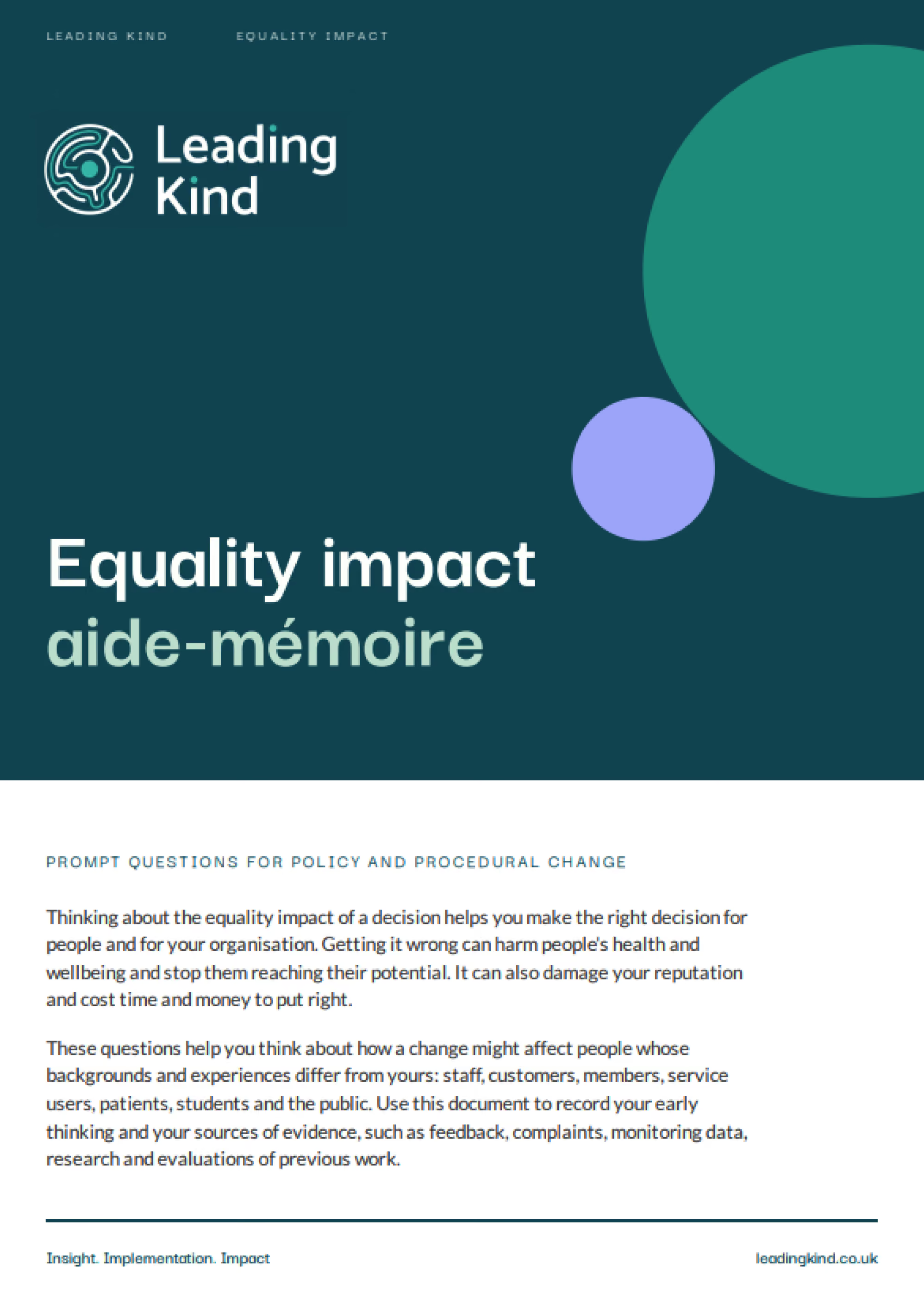
Thinking about the equality impact of a decision helps you make the right decision for people and for your organisation. Getting it wrong can harm people's health and wellbeing and stop them reaching their potential. It can also damage your reputation and cost time and money to put right.
These questions help you think about how a change might affect people whose backgrounds and experiences differ from yours: staff, customers, members, service users, patients, students and the public.
Use this document to record your early thinking and your sources of evidence, such as feedback, complaints, monitoring data, research and evaluations of previous work.
Outcomes our clients see
More information
About the Equality Impact Aide-Mémoire
This resource provides prompt questions for policy and procedural change, helping organisations consider how decisions may affect different groups and identify where adjustments may be needed.
The guide is organised into five sections.
1. About the change
Start by setting out what is changing, why, and who it will affect.
Questions to consider:
- What is the purpose or aim of the policy or procedural change?
- Which strategic aim or KPI will the change support?
- Who will the change affect?
2. Protected characteristics
Consider whether the change may affect people differently based on characteristics protected by the Equality Act 2010.
The guide includes questions and examples relating to age, disability, gender reassignment, marriage and civil partnership, pregnancy and maternity, race and nationality, religion or belief, sex, and sexual orientation.
For each area, consider how you know whether people will be affected differently and whether your policy or procedure needs to change.
3. Wider factors
Some factors are not protected characteristics but can still influence people's ability to participate or access services.
The guide explores potential impacts relating to:
- Language needs, including British Sign Language (BSL)
- Living in rural areas
- Economic disadvantage
- Caring responsibilities
- Care experience
- Reliance on public transport
- Digital access and affordability
- Non-traditional working patterns
- Experience of the criminal justice system
4. Bringing it together
Once you have worked through the questions, step back and look at the whole picture.
Consider the following:
Intersections: Have you considered how characteristics combine, and the differences within groups?
Connections: Have you considered how protected characteristics affect other areas of inclusion?
Good relations: Will the change help or hinder your organisation's ability to foster good relations?
Justification: If some disadvantage cannot be avoided, can you explain the legitimate aim behind the change and why it is a proportionate way of achieving it?
Measuring impact: What measures will you put in place to check the impact of the change once it is in place, and when will you review it?
5. Your record
Keep a short record of your thinking. It shows how you reached your decision and gives you a baseline for review.
The guide includes space to record:
- Decision or change
- Completed by and date
- Sources of evidence used
- Main impacts identified
- Actions and mitigations
- Date of review
If your organisation is subject to the Public Sector Equality Duty, a record like this helps show that you have paid due regard to the duty. It is good practice for every organisation.
More resources to download
Equality Impact Aide-Mémoire
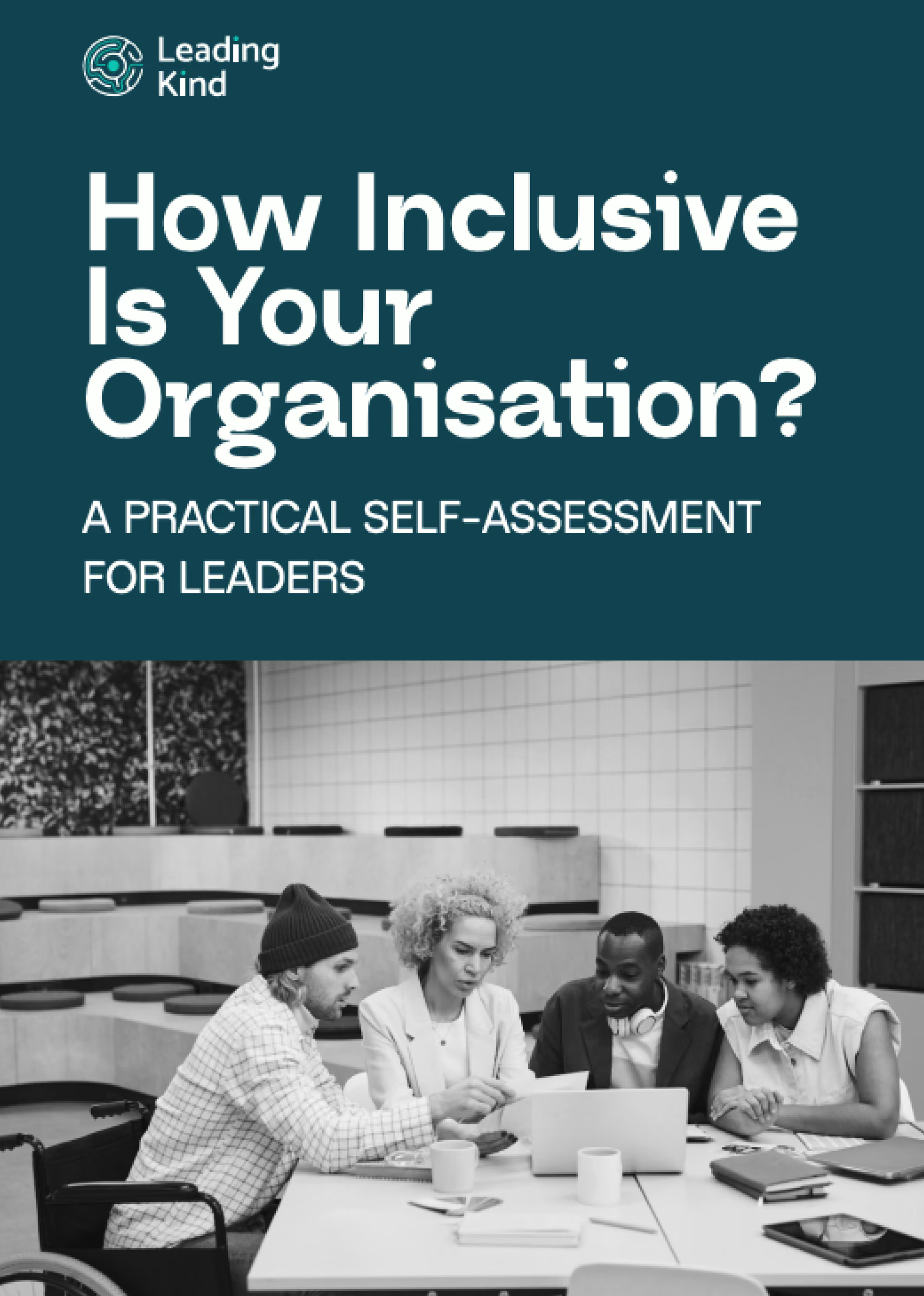
How Inclusive is your organisation?
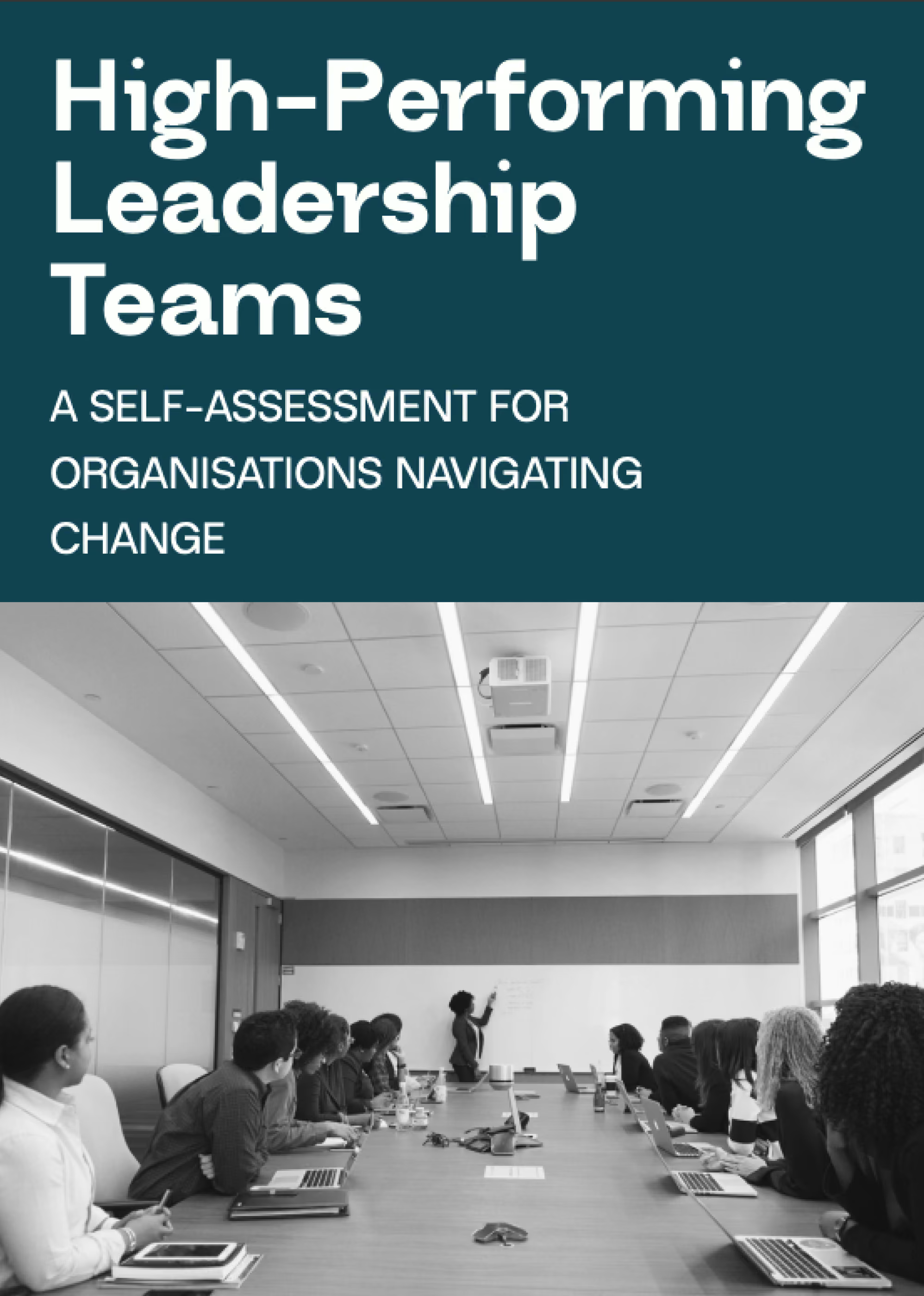
High-Performing Leadership Teams